
Have a Belgian Malinois? Add your dog's pawfile: get a care plan for its exact age, local vets, groomers and trainers, and meet other Belgian Malinois owners.
Add my Belgian Malinois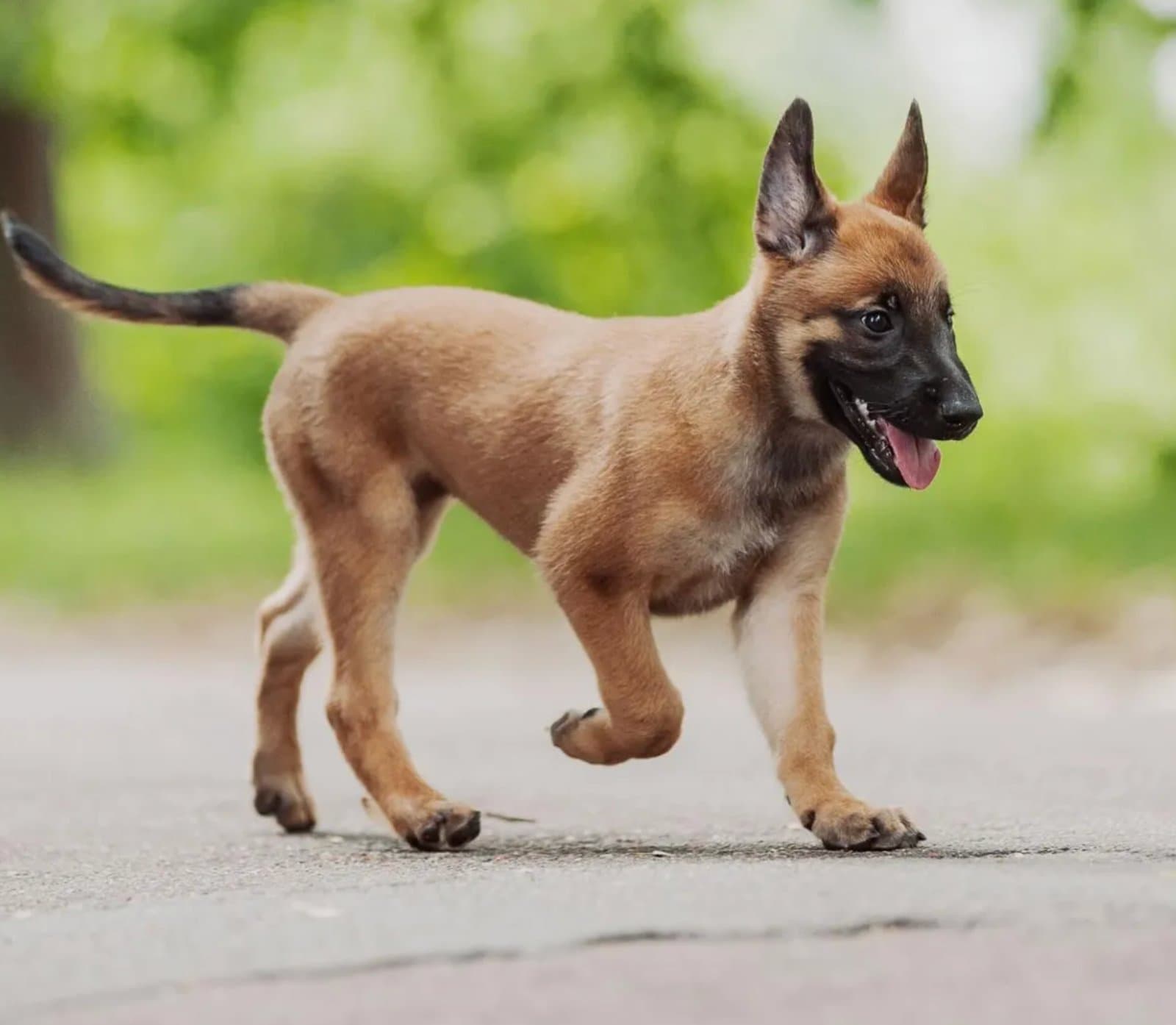 Viena, a Belgian Malinois on DogAngeles
Belgian Malinois in Los Angeles
A working dog with the engine always running.
The Belgian Malinois is a lean, intense herding dog that wants a job every day. Brilliant and devoted, it is also a lot of dog: this is a breed for people who love training and plenty of activity.
- Size
- Large
- Typical weight
- 55–90 lb
- Lifespan
- 14–16 years
- Energy
- very high
- Trainability
- very high
- Grooming
- very low
- LA heat
- medium
Typical for the size class, individual dogs vary. Breed traits are tendencies, not promises about an individual dog.
Overview
Where they come from · Fun facts
The Malinois is one of the Belgian herding breeds, named after the city of Malines (Mechelen) in Belgium, and was developed in the late 1800s for herding livestock. Today it is widely used as a police, military and detection dog, which says a lot about its drive and trainability.
- It has a short fawn-to-mahogany coat with a black mask, and sheds more than many people expect.
- Malinois are known for fast learning, strong focus and a drive to work, so bored dogs invent their own jobs.
- The breed is a favorite in dog sports such as agility, obedience and protection sports.
- They tend to bond closely with their family and are often reserved with strangers.
“Cry 'Havoc!' and let slip the dogs of war.”
Traits at a glance
Scores run from 1 (low) to 5 (high). They describe typical dogs of the breed; upbringing and the individual dog matter more.
Average heat tolerance: on hot days shift walks to mornings and evenings and bring water.
Is this breed right for you?
Eight quick questions. We compare your answers with this breed's typical needs and explain the result. It is not a veterinary or behavioral diagnosis.
Temperament
- Herding instincts: it may nudge or chase running children. Give it jobs and teach calm play.
Can do well with respectful, older children. Close supervision and calm introductions work best.
Often prefers a few trusted dog friends, or being the only dog. Slow introductions, good leash manners and early socialization help.
The honest corner
- This is not a typical first dog. Many Malinois end up in rescues when owners underestimate the energy and training they need.
- Without enough exercise and structure, they can become destructive, noisy or anxious.
- Nipping and herding behavior (including chasing kids or bikes) needs steady training from puppyhood.
These are general tendencies, not promises. Every dog is an individual, and upbringing, early socialization and training shape behavior more than breed does.
Daily life
Life in LA
- Daily hard exercise is not optional: long runs, hikes, fetch, scent games and training, not just a walk around the block.
- A short coat helps in warm LA weather, but run them in the early morning or evening and watch the pavement and the heat.
- An apartment can work only with a very committed owner who provides hours of outdoor activity and mental work.
Caring for an adult Belgian Malinois
your dog (Belgian Malinois, age unknown) is in their prime. Keep them fit, lean and busy, with a yearly vet checkup.
Health & vet
- Yearly vet checkup, dental check and vaccines as recommended.
- Year-round flea, tick and heartworm prevention.
- Ask your vet about screening for: hip dysplasia, elbow dysplasia, eye conditions.
- Ask your vet about the leptospirosis vaccine: LA County has seen outbreaks, especially where dogs share water bowls.
Food
- 2 measured meals a day; adjust for activity and keep a visible waist.
- Any food change: mix over 7–10 days.
Training
- Keep skills sharp with short daily practice.
- New tricks and puzzles keep the brain busy.
- Eager learner: try advanced tricks, agility or nose work to keep them busy.
Exercise & LA outdoors
- Daily walks plus play or sniff time, matched to the breed's energy.
- Change routes to keep it interesting.
- High-energy breed: aim for 60–90 minutes of activity a day, including off-leash play in a fenced dog park.
- Foxtail season (spring–summer): after walks check paws, ears, nose and armpits for grass seeds.
Grooming
- Regular brushing, nails every few weeks, teeth several times a week.
- Check ears and paws after outings.
Social life
- Regular time with dog friends, group walks or playdates.
- Respect their preferences: not every adult dog loves dog parks.
General guidance for dog owners, not veterinary advice. Decisions about health, vaccines, food changes and medication: with your vet.
Health to know about
Conditions this breed is commonly screened for. We don't publish prevalence numbers or grades we can't verify: talk to your vet and ask breeders for health test results.
hip dysplasia
The hip joint forms loosely, which can lead to arthritis and pain walking, jumping or climbing stairs.
How it's checked: Vet exam and X-rays; OFA or PennHIP evaluation of breeding dogs.
Ask the breeder or rescue: Have both parents' hip scores been evaluated by OFA or PennHIP? May I see them?
elbow dysplasia
Abnormal elbow development that can cause front-leg lameness, often starting in growing dogs.
How it's checked: Vet exam and elbow X-rays; OFA elbow evaluation.
Ask the breeder or rescue: Were the parents' elbows evaluated? Is there lameness in the line?
eye conditions
Inherited eye diseases can cause pain, cloudy vision or gradual vision loss.
How it's checked: Annual exam by a veterinary ophthalmologist; CAER/OFA eye exam; DNA tests for some breeds.
Ask the breeder or rescue: Do both parents have a current eye exam and relevant DNA results?
Educational information, not veterinary advice. Your vet knows your dog best.
What it costs to own this breed
Planning estimates for Los Angeles, in US dollars. Change the numbers to match your plans.
$330
Per month
$5,210
First year
$60,650
Lifetime
Lifetime: ≈ 15 years
| Adoption or purchase fee | $300 |
|---|---|
| Setup and puppy basics | $950 |
| Food | $1,100 / year |
| Routine vet care | $450 / year |
| Flea, tick and heartworm prevention | $500 / year |
| Pet insurance | $720 / year |
| Professional grooming | $240 / year |
| Training classes | $300 / year |
| Toys, bedding and supplies | $250 / year |
| Walking, daycare and boarding | $0 / year |
| Emergency vet fund | $400 / year |
Estimates only, based on the breed's size class, grooming needs and typical California prices. Real costs vary with the dog, your choices and emergencies.
Find help in LA:VetsWalkers & sittersGroomers & services
Find a dog
Real listings from DogAngeles only. We never invent breeders, puppies or prices.
No listings for this breed yet
Check the adoption hub for similar dogs, or post a request on the Board and neighbors will see it.
Verified breeders
No verified breeders list this breed yet.
From the community
Posts from DogAngeles owners of this breed. Everything here is written by real members.
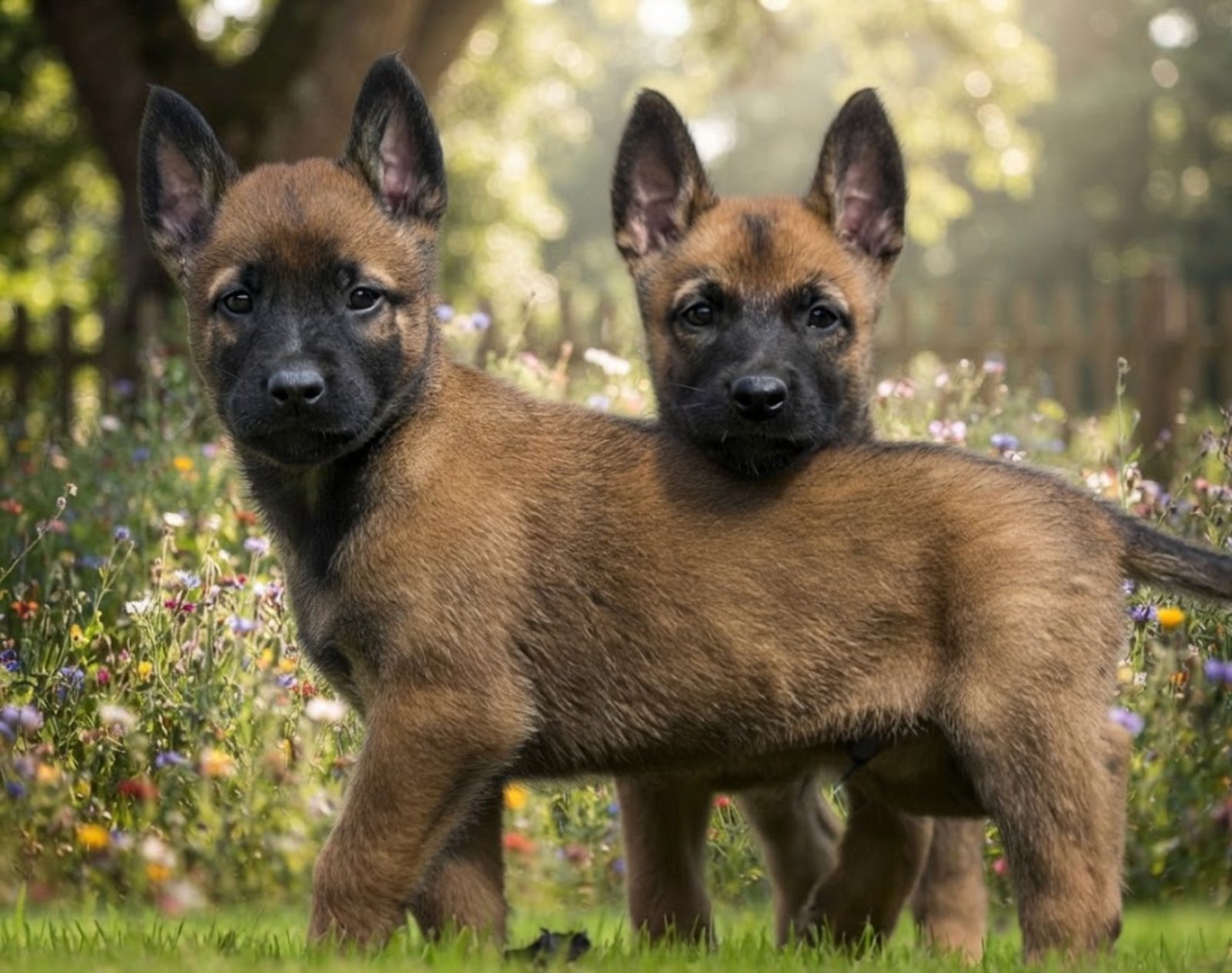
Belgian Malinoiss on DogAngeles
Similar breeds
Why they might also suit you
Quick answers
Is a Belgian Malinois good for first-time owners?
Usually not. They are intense, high-energy and need experienced, consistent training.
How much exercise does a Malinois need?
A lot: typically at least two hours a day of vigorous activity plus mental work.
Are Malinois good with kids and other dogs?
It depends on the individual and on training and socialization. Supervise and manage interactions carefully.
How long do Belgian Malinois live?
Often around 14 to 16 years with good care.
Can a Malinois live in an apartment?
Only with an owner who provides very high activity levels every day. Most do better with space and a job.
Keep reading
Have a Belgian Malinois? Get a care plan for its exact age, plus local vets, groomers and trainers.
Add my dog